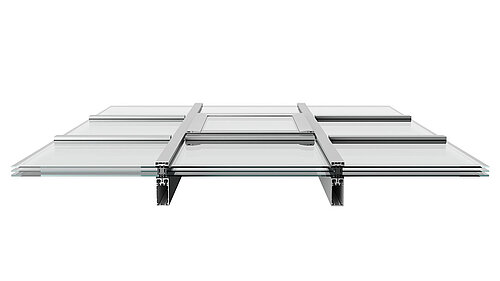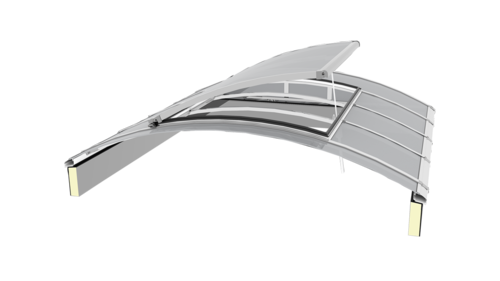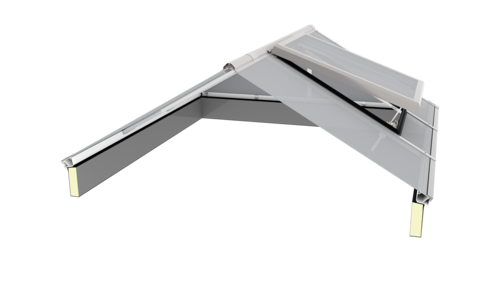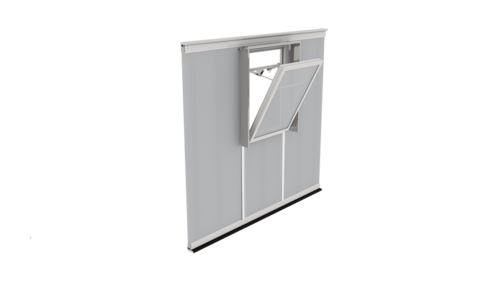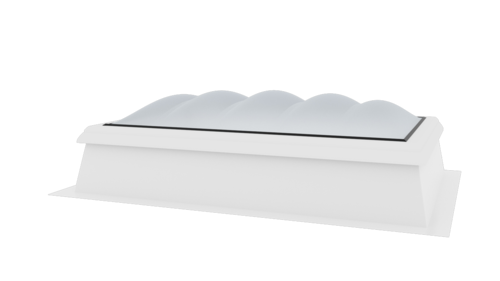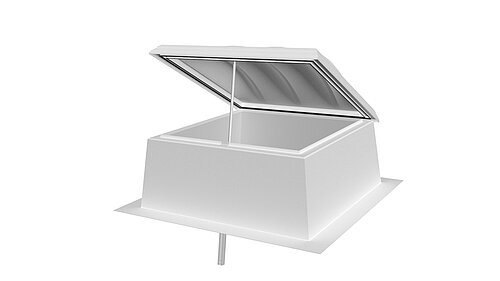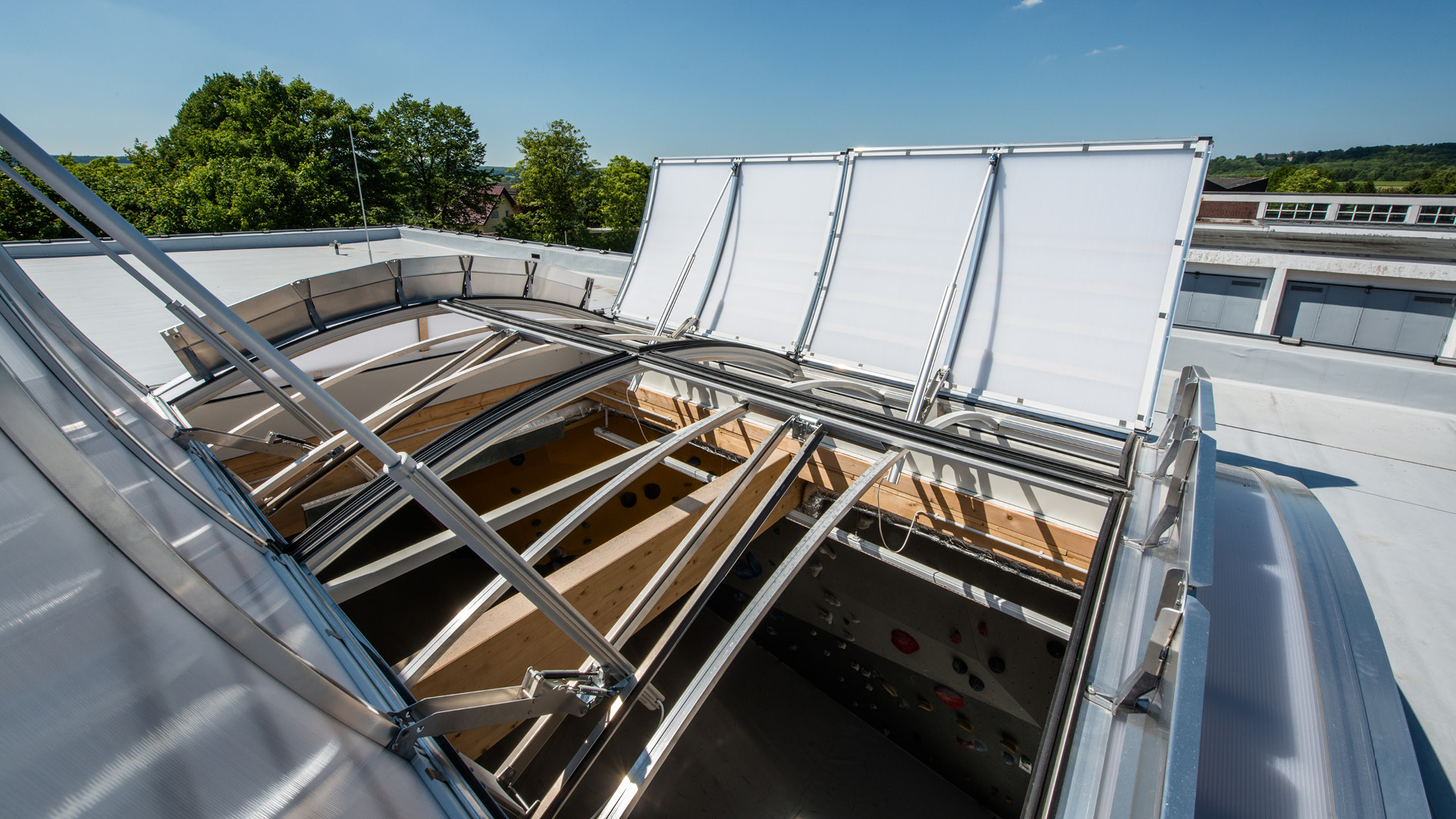
Opened RWA windows integrated into roof glazing above an atrium with visible supporting structure for smoke and heat exhaust

Smoke and heat exhaust systems (SHEV)

  1. Home / 
  2. Products / 
  3. Fire safety / 
  4. SHEV

SHEV fire protection with LAMILUX

In the event of a fire, every second counts. Smoke and heat exhaust systems (SHEV) controlledly vent toxic smoke and heat from the building, ensuring smoke-free escape routes, better visibility for emergency responders, and faster fire suppression.

Whether as natural smoke extraction through the roof or as part of a complex fire protection system, SHEV systems from LAMILUX combine reliable performance with intelligent control and architectural integration.
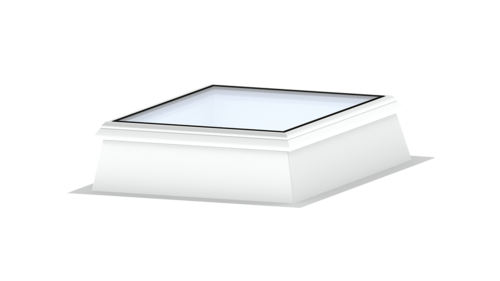
Opened RWA window with transparent glazing installed on a flat roof for natural smoke and heat exhaust

What is SHEV, and why is it so important?

Smoke and heat exhaust systems (SHEV) are key components of preventive fire protection. In the event of a fire, these systems, which take the form of rooflights or roof windows, ensure that dangerous smoke and hot combustion gases are vented in a controlled manner through the roof. For this to work, a coordinated system of exhaust vents, supply air openings, smoke curtains, and a control system that automatically activates the system in the event of a fire is required. There are natural SHEV (smoke and heat exhaust) systems, in which smoke is exhausted by thermal convection, and mechanical SHEV systems, which use fans. The goal: a smoke-free zone near the floor through which people can safely evacuate the building and emergency responders can effectively extinguish the fire. SHEV saves lives by keeping escape and rescue routes clear, ensuring orientation, and limiting the spread of the fire.

Learn more about SHEV systems now!

Natural smoke exhaust in accordance with DIN 18232

Large industrial hall with workbenches and machinery, evenly illuminated by roof skylights integrated along the ceiling

Smoke exhaust areas aw:

At least 1.0 m² for every 200 m² of floor area per smoke compartment

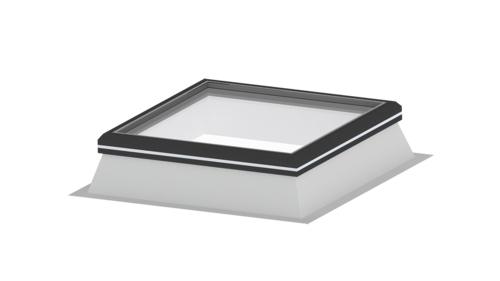
Roof skylight on a flat roof with rectangular upstand and partially opened glazing, top view

Smoke exhaust devices (RWG):

Rooflights, Glass Skylights, or ventilation flaps tested in accordance with DIN EN 12101-2 with proven Aw

Large industrial hall with work areas and machinery, evenly illuminated by roof skylights integrated along the ceiling

Smoking sections:

A maximum of 1,600 m² per section

Roof section of an industrial hall with visible smoke emission above the roof edge and rooftop structures

Smoke curtains:

Required for indoor areas larger than 1,600 m² to create separate smoke compartments

Interior view of an industrial hall with workstations, shelving systems and machinery beneath an evenly lit ceiling

Supply air area:

at least 1.5 times the area of the Aw of the largest smoke compartment

Vertically installed louvre window in an interior wall, shown open with arrow markings illustrating airflow

Supply air units:

Can be implemented through gates, doors, windows, or suitable ventilation elements such as louvered vents

Orange manual fire alarm call points with push button and labeling for triggering an alarm in an emergency

Trigger:

automatically via the fire alarm system (BMA) or manually via the smoke and heat SHEV switch

Industrial hall with workstations, visible smoke accumulation beneath the ceiling and a localized fire illustrating a hazard scenario

Low-smoke layer:

must remain at least 2.5 m above the ground

DIN 18232

Basis for Smoke and Heat Exhaust Systems

DIN 18232 is the key standard for the design and installation of smoke and heat exhaust systems (SHEV). In particular, it specifies the requirements for natural smoke exhaust devices (NRWG) in industrial and public buildings. The goal is to ensure the safe removal of smoke and heat in the event of a fire to provide smoke-free escape routes, improve visibility for emergency responders, and protect people and property.

EN 12101 

European Standard for Smoke and Heat Exhaust Systems

EN 12101 is the central European series of standards for smoke and heat exhaust systems (SHEV). It defines requirements for components such as natural smoke exhaust devices (NSEDs), control systems, and drives. The goal is to ensure a tested, Europe-wide uniform smoke extraction system in the event of a fire. EN 12101-2 is particularly relevant, as it regulates performance criteria and CE marking for natural smoke exhaust devices.

Combination of an equipment cabinet with electronics, a large ventilation duct and an industrial fan

Support for SHEV and fire safety

An effective fire protection system consists not only of high-quality individual products, but also of their seamless interaction. Whether smoke and heat exhaust systems (SHEV), supply air systems, smoke curtains, or control technology, every component must be precisely planned, coordinated with one another, and implemented in accordance with DIN 18232 and DIN EN 12101. Errors in selection or combination can severely impair smoke extraction in an emergency and endanger the safety of people and buildings. That is why it is crucial to rely on a partner who takes a holistic approach to smoke extraction. LAMILUX offers not only certified components but also complete system solutions for SHEV and preventive fire protection

Request a consultation and develop a fire protection solution! 

FAQ

What is the difference between RA and SHEV?

RA stands for "smoke exhaust" and generally refers to measures for removing smoke. SHEV, on the other hand, stands for "smoke and heat exhaust system" and refers to a specific technical system that systematically removes both smoke and heat from a building in the event of a fire. SHEV is therefore a specific technical implementation of the general concept of smoke exhaust.

What is the difference between NRA and SHEV?

NRA (Natural Smoke Exhaust System) operates without mechanical assistance and utilizes physical effects such as thermal convection. SHEV is the umbrella term and encompasses both natural (NRA) and mechanical (MRA) systems for smoke and heat exhaust. The main difference lies in the method of smoke extraction: passive in NRA, active or combined in SHEV.

Who triggers the SHEV?

A smoke and heat SHEV can be activated automatically by smoke or temperature sensors, or manually via push-button alarms. In many cases, a central activation system via the fire alarm control unit or by the fire department is also provided. The specific activation method depends on the building design and legal requirements.

When is a SHEV required?

Smoke and heat exhaust systems are required when they serve the purpose of preventive fire protection for example, in stairwells, industrial buildings, public assembly spaces, or underground parking garages. They are necessary to keep escape and rescue routes free of smoke and to facilitate firefighting efforts. This requirement is usually stipulated in state building codes or specific guidelines.

What does the abbreviation SHEV stand for?

SHEV stands for smoke and heat exhaust system. It is a safety system designed to remove smoke and heat from a building in the event of a fire in order to protect human life and preserve the building's structure.