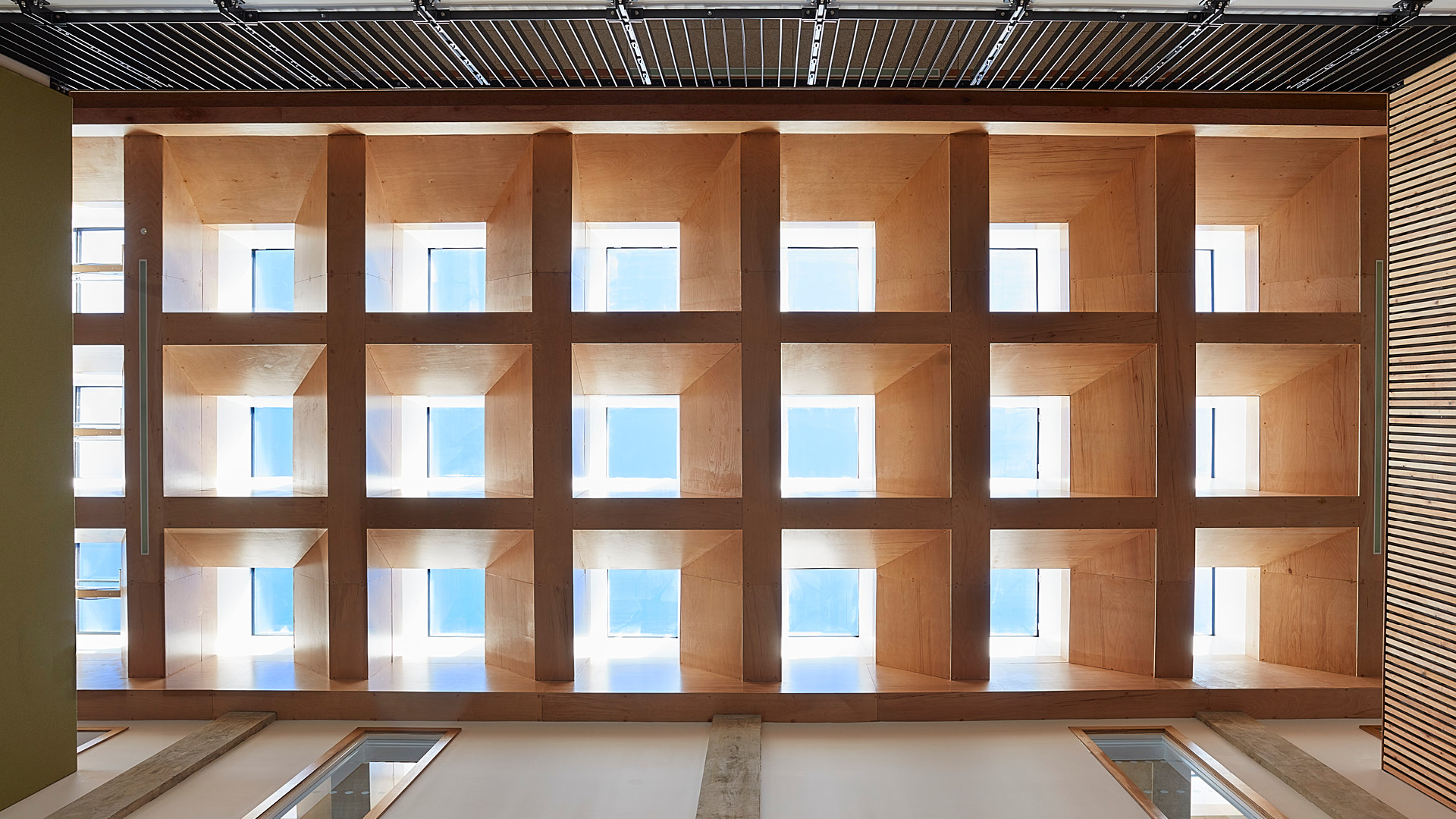
LAMILUX offers certified Passivhaus windows that feature exceptionally low U-values both in the window frame and in the insulated glazing. They thus reduce the heat transfer coefficient to a minimum, making a decisive contribution to energy efficiency in Passivhaus buildings and low-energy houses. Our product portfolio combines the highest quality standards with efficient thermal insulation for energy-efficient architecture that makes all the difference.
Passivhaus windows from LAMILUX
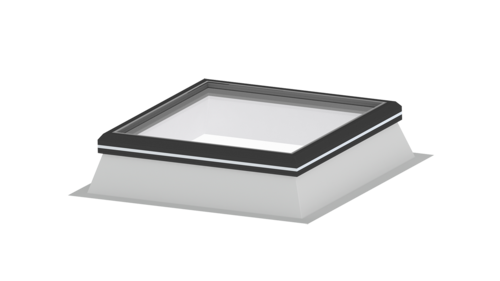
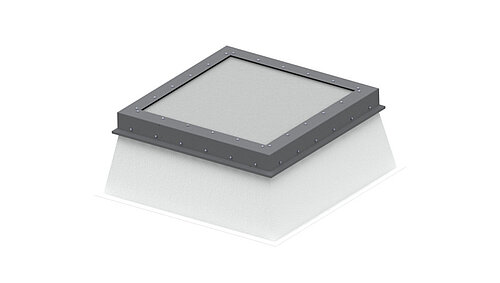
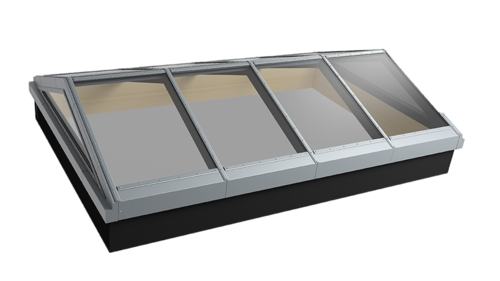
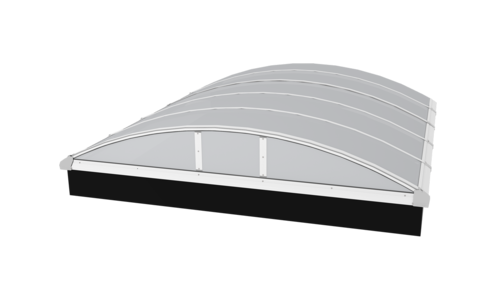

Building More Sustainably with LAMILUX

What is a Passivhaus window?
Passivhaus windows, such as those from LAMILUX, are specially designed low-energy windows that meet the highest standards for energy efficiency and thermal comfort. To be eligible for use in a Passivhaus, they must be certified by the Passivhaus Institute and demonstrate exceptionally good insulation performance.
The goal is to ensure a high interior surface temperature of the window even when outside temperatures are freezing for noticeably greater comfort without cold air or drafts. This is based on the so-called comfort criterion, which requires that the window’s inner surface be no more than 3 °C cooler than the room air.
The Passivhaus Institute also defines efficiency classes for this purpose, ranging from phC to phA+, which allow for a quick assessment of energy performance. Only skylights that demonstrably meet these requirements are considered certified Passivhaus components for temperate to cold regions.
Services for our Passivhaus windows

What is a good U-value for windows?
The U-value, also known as the heat transfer coefficient, is of great importance when determining energy-efficient windows. It describes how much heat is lost through the window. The lower the value, the better the insulation. For Passivhaus windows, the total U-value (Uw) is decisive; it takes into account not only the glazing (Ug) and the window frame (Uf), but also heat loss at the glass edges and the installation joint.
A window meets the Passivhaus standard if it achieves a Uw value of no more than 0.8 W/(m²K). Windows with higher values are not suitable for use in Passivhaus buildings. Therefore, anyone seeking to build or renovate with exceptional energy efficiency should specifically look for certified daylighting elements with low U-values. Because they are calculated in accordance with DIN EN ISO 10077, these values serve as a clear indicator of quality and energy savings. LAMILUX skylights achieve values as low as 0.69 W/(m²K).


What role does the g-value play in Passivhaus windows?
In addition to thermal insulation, solar energy gain also plays an important role in the evaluation of Passivhaus windows. The so-called g-value, or total energy transmittance, indicates how much solar energy enters the interior through the glazing. The higher the g-value, the more passive solar heat gain a window can achieve.
For the Passivhaus standard, the following applies: The glazing should allow more energy into the room than is lost through the window. This requirement is met when the formula Ug – 1.6 × g < 0 holds true. When this relationship is taken into account, the window actively contributes to reducing energy consumption during the heating season.
A well-balanced ratio of a low U-value to a high g-value is therefore crucial: This is the only way to create true low-energy buildings and Passivhaus buildings.
FAQ
What kinds of windows are used in a Passivhaus?
Passivhaus buildings use highly insulated windows specifically designed for buildings with very low energy consumption. These Passivhaus windows must meet strict requirements and are usually certified by the Passivhaus Institute. Skylights that meet the Passivhaus standard, such as those from LAMILUX, offer tested quality and maximum efficiency.
How many panes does a Passivhaus window typically have?
A Passivhaus window typically features triple glazing. This is the only way to achieve the necessary insulation to effectively reduce heat loss and ensure a high surface temperature on the inside even when outdoor temperatures are very low. LAMILUX also offers skylights with quadruple glazing to guarantee optimal energy efficiency up to Class phA, even in cold regions.
Can you open the windows in a Passivhaus?
Yes, of course, windows can also be opened in a Passivhaus. Natural ventilation is possible at any time. LAMILUX roof lights not only optimize energy efficiency but also provide natural ventilation for the rooms. Intelligently installed and controllable drives make opening and closing the windows easier, thereby improving the indoor climate.
Which windows have the best U-value?
Certified Passivhaus windows achieve the best U-values by combining coordinated components such as highly insulating frame profiles, modern triple glazing, and thermally optimized spacer systems. LAMILUX Passivhaus windows fall below the recommended limit of 0.8 W/(m²·K), offering a first-class solution for energy-efficient construction and renovation.